The Legacies of Liberation: Critical Junctures and Political Development in Post-Settler Colonial Southern Africa.

Empirical puzzle: My book project based on my dissertation analyzes the historical origins of markedly varied legacies of liberation in post-settler colonial Southern Africa: Angola, Mozambique, Namibia, South Africa, and Zimbabwe. These countries have shared histories of prolonged settler colonialism and violent anticolonialist liberation struggles for more equitable, inclusive, non-racialist nations dominating the second-half of the 20th century. Following these conflicts, revolutionary national liberal movements (NLMs), that espoused radical agendas to fundamentally transform inherited state, political, and social structures, assumed state power between 1974 and 1994 and dominated the national political arena afterward in all five countries. However, ‘post-liberation’ Southern Africa has been characterized by divergent trajectories of political and social change with markedly different state and social structural outcomes. These encompass less inclusive semi-democracies with moderately unequal, post-racial societies (i.e., Mozambique and Angola); an exclusionary, militarized semi-authoritarianism with an extremely polarized society (Zimbabwe); and inclusive multiracial democracies with the most unequal societies deeply polarized by racial and post-racial divisions (i.e., South Africa and Namibia).
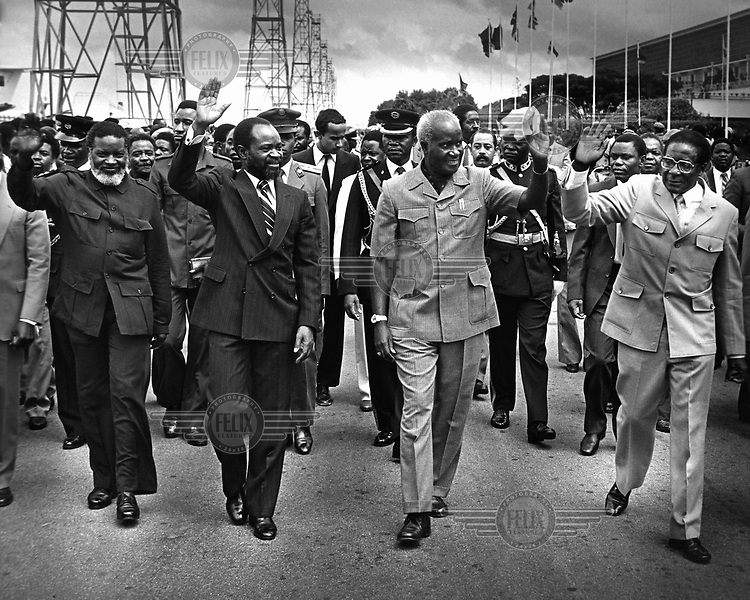
What explains the sharply contrasting legacies of liberation in Southern Africa? The variations are puzzling considering the countries’ common background and the revolutionary parties’ shared ideological agendas before liberation. Dominant approaches emphasize more deterministic structures of the settler-colonial era, political factors of the conflict period, or more recent events unique to each country. Additionally, existing insights are limited because of ambiguous conceptualization, overgeneralization from best-known cases, and a Lusophone-Anglophone intellectual wall have hindered a comparative understanding of political development in post-settler colonial Southern Africa.
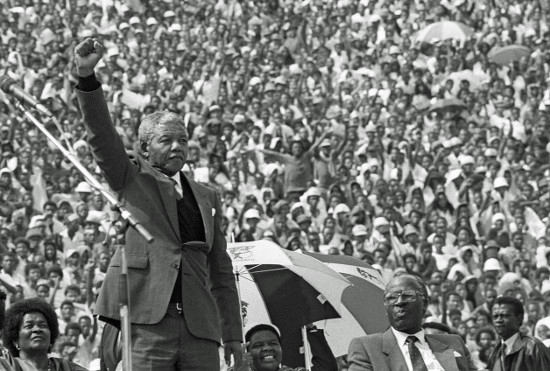
Path-dependent explanation: My books offers a novel path-dependent explanation that emphasizes a critical juncture—defined as the “liberation reform episode”—during which radical liberation elites assumed political power and adopted basic structural reforms in all five countries. It shows that, faced with varying sets of political opportunities and constraints during the liberation episode, Southern African revolutionary elites implemented one of three reform options: “radical approach” (Mozambique and Angola), “liberal approach” (South Africa and Namibia), and “stalled-liberal approach” (Zimbabwe). Varying mainly in terms of state reforms, income and land redistribution, and nation-building strategies, these reform packages widely differed in the pace and scope of change, ranging from rapid and fundamental transformation in the radical contexts to limited and gradual reforms in the liberal contexts. The reform options set the countries on path-dependent trajectories of political and societal change.
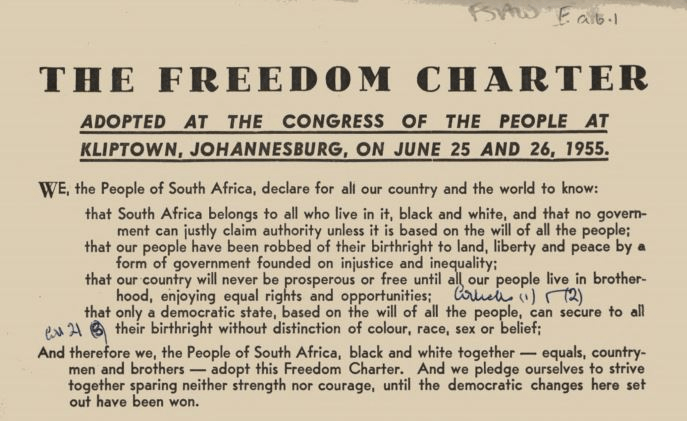
The historical argument developed using comparative-historical methods is supported by extensive archival evidence and the reinterpretation of secondary sources, supplemented by statistical data on various political, socioeconomic, and institutional measures. I also incoporate data from interviews with political elites involved in the reform choices in the South African and Namibia cases. The rich qualitative data and methods allowed evaluating—at a fine-grained level of analysis—rival explanations emphasizing historical antecedents or alternative time-periods. While colonial structures (e.g., economic, social, institutional) and war-time factors remain important, the liberation episode is the critical historical juncture key to understanding the divergent paths of political development in post-settler colonial Southern Africa.
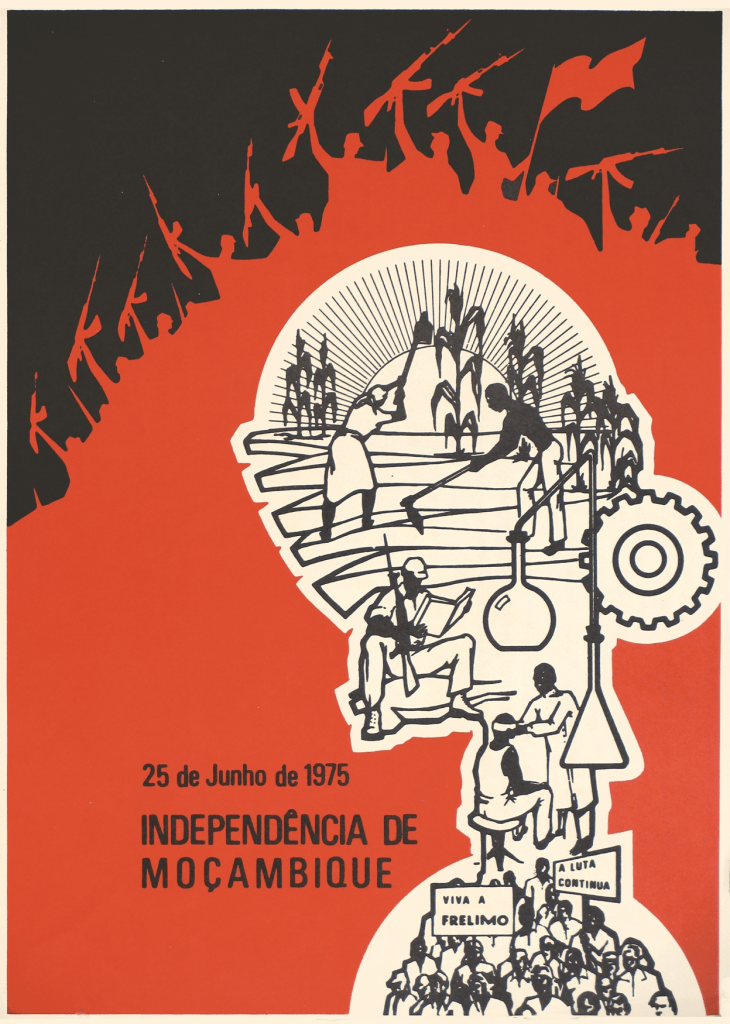
This study is the first to analyze all five countries together, offering a comprehensive explanation of the still much-debated anticolonialist uprisings and their enduring legacies. The argument has broader implications for comparative and African politics, particularly regarding regime development, democratization, and conflict dynamics following episodes of contentious politics, such as national revolutions, political conflicts, and regime transitions. While offering fresh and critical insights in national-social revolutions and political and societal change, the study challenges deterministic assumptions of the rebel-to-government paradigm dominant in civil-war studies, instead highlighting the importance of structure, historical contigency, and post-conflict choice and dynamics to better understand political development in such contexts.
The argument in an article-length paper currently under peer review is available on request.
The book manuscript is scheduled for a book workshop in October 2025 at The University Chicago. The workshop has been organized with a generous grant from the Center for International Social Science Research (CISSR), The University Chicago.
 salihnoor.com